
Cryptocurrency, Bitcoin ETFs, and Institutional Digital Asset Strategies in 2026
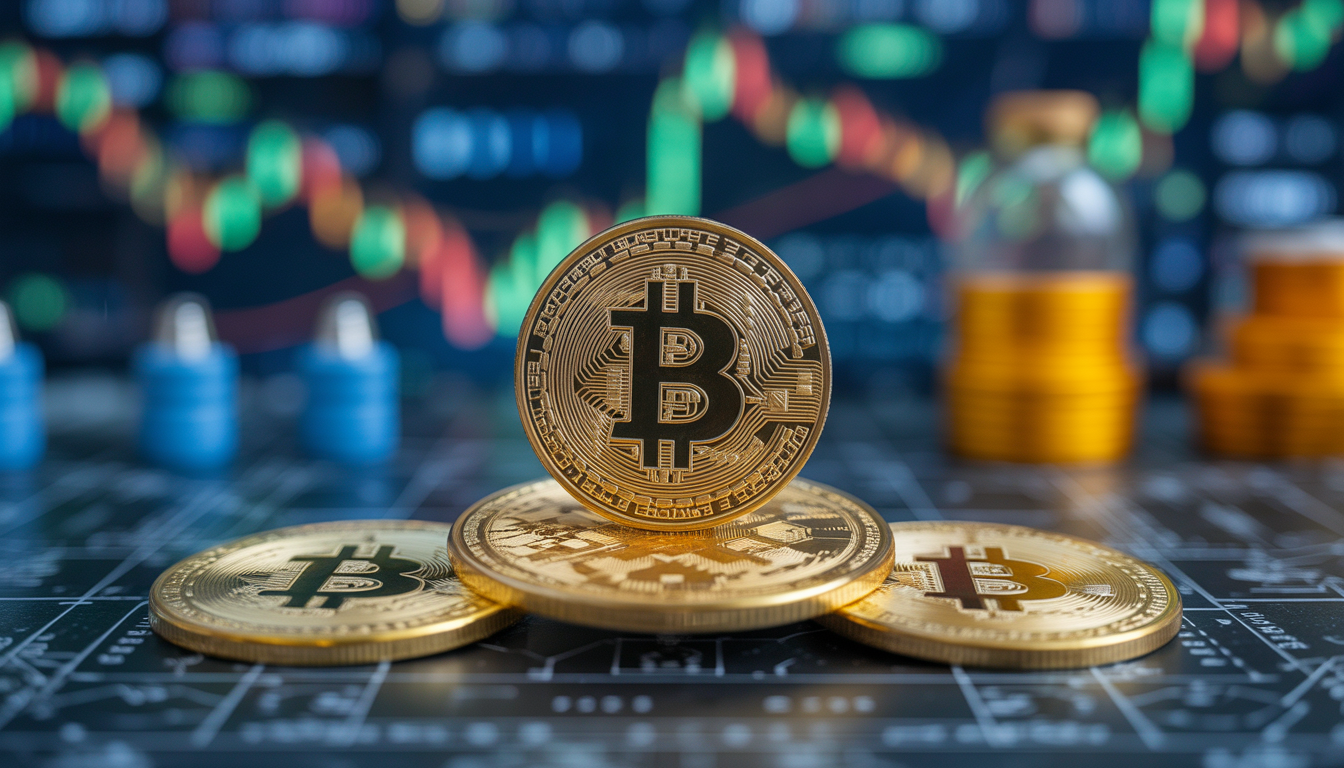
The digital asset market has entered a new phase of maturity in 2026, driven by institutional adoption, regulatory clarity, and the integration of cryptocurrencies into traditional financial systems. What was once considered a speculative asset class is now being recognized as a legitimate component of diversified investment portfolios. Bitcoin ETFs, in particular, have played a pivotal role in bridging the gap between traditional finance and the crypto ecosystem.
The approval and expansion of Bitcoin exchange-traded funds (ETFs) have significantly lowered the barrier to entry for institutional investors. These financial instruments allow investors to gain exposure to Bitcoin without directly holding the underlying asset, addressing concerns related to custody, security, and regulatory compliance. As a result, capital inflows into digital assets have increased substantially.
Institutional investors, including hedge funds, pension funds, and asset managers, are now actively allocating capital to cryptocurrencies. This shift is driven by the potential for high returns, portfolio diversification, and protection against currency debasement. Bitcoin, often referred to as “digital gold,” is increasingly viewed as a hedge against inflation and macroeconomic instability.
Ethereum and other smart contract platforms are also gaining traction among institutional investors. These networks enable decentralized applications (dApps), decentralized finance (DeFi), and tokenization, creating new opportunities for value creation. The growth of these ecosystems is attracting significant investment and driving innovation across industries.
Regulatory developments have played a crucial role in legitimizing the crypto market. Governments and financial authorities are implementing frameworks to ensure transparency, investor protection, and market stability. While regulations vary across jurisdictions, the overall trend toward clarity is encouraging broader adoption.
Custody solutions have improved significantly, addressing one of the primary concerns of institutional investors. Secure storage options, including cold wallets and custodial services provided by established financial institutions, have enhanced confidence in the safety of digital assets.
The concept of tokenization is transforming traditional asset classes. Real estate, equities, and even fine art are being tokenized, allowing for fractional ownership and increased liquidity. This innovation is expanding the scope of digital assets beyond cryptocurrencies and creating new investment opportunities.
Decentralized finance (DeFi) continues to evolve, offering alternatives to traditional financial services such as lending, borrowing, and trading. Institutional participation in DeFi is increasing, although concerns حول security, scalability, and regulation remain. As the ecosystem matures, these challenges are expected to be addressed.
Stablecoins are playing a vital role in the digital asset ecosystem by providing price stability and facilitating transactions. These assets are often pegged to fiat currencies and are widely used in trading, lending, and cross-border payments. Their adoption is growing among both retail and institutional participants.
Market volatility remains a defining characteristic of cryptocurrencies. While this volatility presents risks, it also creates opportunities for active traders and sophisticated investors. Strategies such as arbitrage, market making, and derivatives trading are being employed to capitalize on price fluctuations.
Crypto derivatives, including futures and options, are becoming increasingly popular. These instruments allow investors to hedge positions, manage risk, and speculate on price movements. The growth of derivatives markets is contributing to the overall maturity of the crypto ecosystem.
Environmental concerns related to cryptocurrency mining are being addressed through the adoption of more energy-efficient technologies. Proof-of-stake (PoS) consensus mechanisms and renewable energy sources are reducing the environmental impact of blockchain networks, making them more sustainable.
The integration of artificial intelligence with blockchain technology is creating new possibilities. AI-driven trading algorithms, predictive analytics, and automated portfolio management are enhancing the efficiency and effectiveness of crypto investing strategies.
Cross-border transactions are being revolutionized by cryptocurrencies. Traditional payment systems are often slow and expensive, whereas blockchain-based solutions enable fast and cost-effective transfers. This capability is particularly valuable in global trade and remittances.
Security remains a critical concern in the crypto space. Cyberattacks, hacking incidents, and fraud pose significant risks. Investors must implement robust security measures, including multi-factor authentication and secure storage solutions, to protect their assets.
The role of central bank digital currencies (CBDCs) is becoming more prominent. Governments are exploring the issuance of digital currencies to complement existing monetary systems. While CBDCs differ from decentralized cryptocurrencies, their development is influencing the broader digital asset landscape.
Liquidity in the crypto market has improved significantly, with increased participation from institutional players. Higher liquidity reduces price volatility and enhances market efficiency, making digital assets more attractive for large-scale निवेश.
Education and awareness are essential for navigating the complexities of crypto investing. Understanding blockchain technology, market dynamics, and risk factors is crucial for making informed decisions. As the market evolves, continuous learning is key.
Portfolio allocation strategies are adapting to include digital assets. While the percentage allocation varies, many investors are incorporating cryptocurrencies as a small but significant portion of their portfolios to enhance diversification and potential returns.
The role of exchanges and trading platforms is critical in the crypto ecosystem. Reputable platforms provide liquidity, सुरक्षा, and access to a wide range of digital assets. Choosing the right platform is essential for a seamless investment experience.
Global adoption of cryptocurrencies is accelerating, driven by technological advancements and changing consumer preferences. Emerging markets, in particular, are embracing digital assets as alternatives to traditional financial systems.
Innovation in blockchain technology continues to drive the evolution of the crypto market. New protocols, scalability solutions, and interoperability features are enhancing the functionality and usability of digital assets.
Risk management is paramount in crypto investing. Diversification, position sizing, and strategic planning are essential for mitigating risks associated with volatility and market uncertainty.
The future of digital assets lies in their integration with traditional finance. As the boundaries between these two worlds blur, investors will have access to a broader range of opportunities and أدوات for wealth creation.
In conclusion, cryptocurrency and institutional digital asset strategies are reshaping the investment landscape in 2026. With the rise of Bitcoin ETFs, regulatory advancements, and technological innovation, digital assets are becoming a cornerstone of modern investment portfolios.